
Vehicle crashes are a major cause of injuries and fatalities among children, a problem safety groups in the U.S. acknowledge and work to minimize by heightening awareness of how caregivers can keep children safe when traveling in vehicles. September 15-21, 2024, marks Child Passenger Safety Week, an important observance dedicated to this cause. In honor of this week, Westat experts in child passenger safety, GIS, and statistical research have collaborated to share information about our new Seat Check Coverage Map, and the National Digital Car Seat Check Form (NDCF) Dashboard.
Seat Check Coverage Map Saves Lives
Where are car seat checks happening, and what is the ratio of checks to children in a geographic area? Westat’s interdisciplinary team, including GIS experts, developed the Seat Check Coverage Map, which pulls American Community Survey (ACS) data from the 2020 Census to provide this information to child passenger safety groups, researchers, Certified Child Passenger Safety Technicians, program coordinators, and car seat and automobile manufacturers.
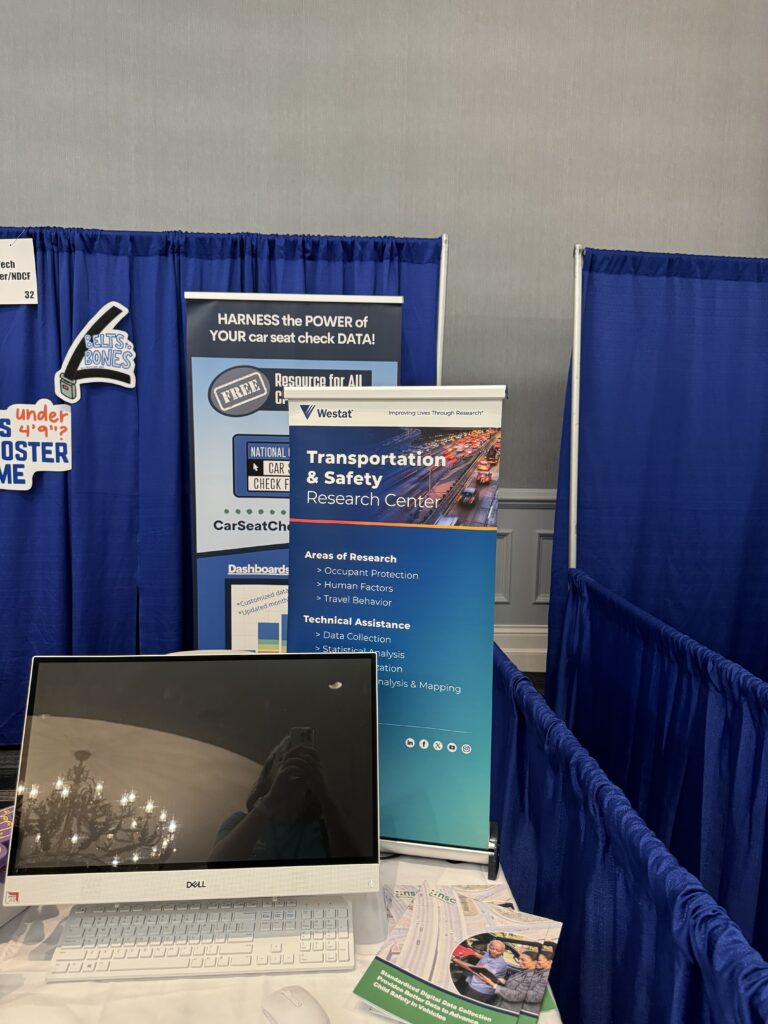
“This new tool is game-changing,” said Westat’s Elizabeth Petraglia, PhD. “It allows decisionmakers at the national, state, and local levels to see where resources and personnel are – and are not – helping them to focus efforts in geographic areas that need those resources to help reduce child passenger injuries and fatalities.”
Both tools have been well-received by partners, clients, and practitioners. “We truly believe our partnership with the NDCF helps us stand out from the crowd,” said Brian Rauscher, Director of Operations for Safe Start “While other organizations talk about what they’re doing and the impact they’re hoping to make, at Safe Start, we aren’t just talking about the impact we hope to make; with the NDCF, we can prove it.” He notes that this helps Safe Start fund its mission, saying, “Thanks to the NDCF, we can access all our child passenger safety data in real-time in incredible fidelity. This allows us to empirically show that Safe Start’s Rural Education Outreach (REO) program has fundamentally changed the way rural families in the Northwest access child passenger safety services.”
Data suggest varying rates across groups in the number of child car seat safety checks, which could lead to inconsistencies in child passenger safety. By merging the data on car safety seat checks and population data from the ACS, Westat, and our partners are providing practitioners and policymakers with the means to address and close these gaps, making traveling in passenger vehicles safer for all children.
“We can’t fix problems and inconsistencies we don’t know about,” said Adele Polson, a Westat Senior Research Associate for Social Policy and Economic Research. “This tool gives child passenger safety experts the data they need to effect change, and decisionmakers the detailed and timely information they need to address these outcomes.”
Sharing with Child Safety Professionals
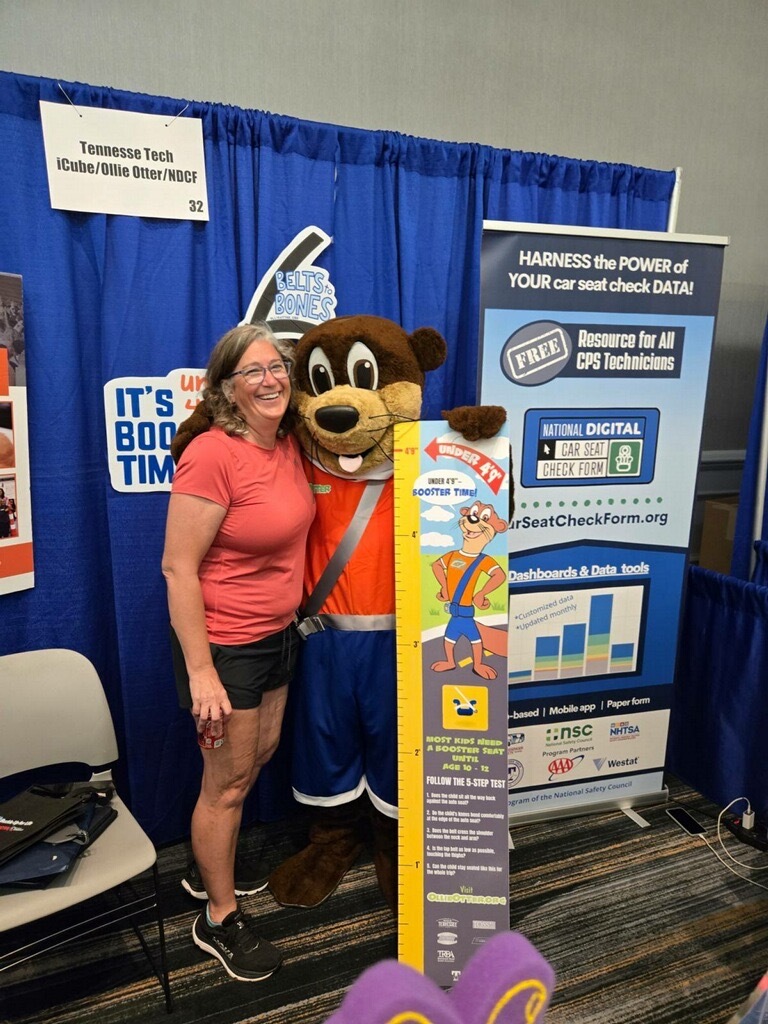
Polson recently shared the coverage map with attendees at August’s Kidz in Motion Conference, where it was met with wide enthusiasm. “Child passenger safety experts are hungry for this kind of data,” she said. “Like myself and my Westat colleagues, they are passionate about keeping kids safe on the road and reducing injuries in vehicle crashes. We’re excited to share this integrated data with them and the larger public and hope it leads to further innovation in the industry.”
Polson plans to be on site at the 2025 Lifesavers Conference on Roadway Safety, and will continue to share this resource through webinars within the child passenger safety community.
Learn More About Our Child Passenger Safety Research
-
Perspective
Reimagining Care Delivery for Rural CommunitiesAugust 2026
Rural communities often face persistent barriers to healthcare access, including provider shortages, long travel distances, limited behavioral health services, and challenges coordinating care across providers…
-
Perspective
Westat @ JSM 2026: Improving Lives by Advancing SocietyJuly 2026
Westat staff will be attending and presenting at the 2026 Joint Statistical Meetings (JSM 2026) in Boston, Massachusetts, August 1–6. The meetings, which are hosted…
-
Perspective
Healthcare Transparency Empowers Patients and Strengthens TrustJune 2026
Healthcare transparency supports informed decision-making, strengthens patient trust, and empowers patients to play a more active role in their own care. Health agencies and organizations,…