What’s the accumulated cancer risk from where you’ve lived?
Obtaining accurate residential histories to improve the study of cancer risk
Challenge
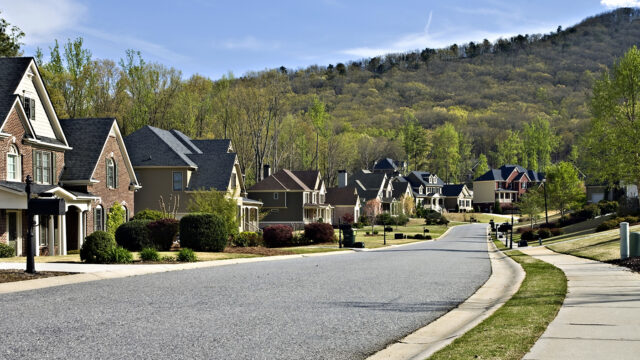
The environment in which one lives can affect the risk of developing cancer. Risks and exposures vary by region and by neighborhood. Epidemiologists concerned with describing the environmental risks might be able to improve estimates by accounting for the risk associated with each place a person has lived: where they lived and how long they lived there. However, improving these estimates requires accurate information on residential histories.
Westat conducted a study for the National Cancer Institute (NCI)/SEER to assess the potential sources of residential addresses and the accuracy of the data they offer.
Solution
The study consisted of 2 parts. Part 1 encompassed a scan of more than 100 possible data sources, including social media and open access data providers, for residential and mobility information. Our analysts also looked at the information available from companies that sell data as a product. The identified sources were classified and ranked based on availability of the needed data and an assessment of feasibility of using the source for cancer research studies.
Part 2 evaluated the top-ranked sources identified in Part 1 for the accuracy and completeness of the residential history data. Westat collected a sample of residential histories from employees at NCI and the National Institute of Environmental Health Sciences. Study participants were asked about their residences dating back to birth, and defined as spending 6 or more months in one location. This information was compared against vendor-supplied data about the participants’ residential histories.
Results
The results from Part 1 indicated that the most readily available information on residential history is maintained by private “data-as-a-service” providers, such as business intelligence services, marketing companies, or credit reporting agencies.
Findings for Part 2 indicate that commercial data can be used to generate residential histories for cases in cancer registries. The resulting residential histories provide sufficiently reliable residential history and mobility information for assessing environmental or residential cancer risk. For further information on the results of the study, see Tools for using commercial sources of residential histories for cancer research.
Focus Areas
Disease Surveillance Public Health Real-World Data and EvidenceCapabilities
Advanced Technologies Data Collection Data Science and AI Geographic Information Systems and Geospatial Analysis Geospatial Data Processing and Analytics Innovative Data Collection and Management Tools Statistical MethodsSenior Expert Contact

Diane Ng
Senior Research Associate
-
Perspective
Reimagining Care Delivery for Rural CommunitiesAugust 2026
Rural communities often face persistent barriers to healthcare access, including provider shortages, long travel distances, limited behavioral health services, and challenges coordinating care across providers…
-
Perspective
Westat @ JSM 2026: Improving Lives by Advancing SocietyJuly 2026
Westat staff will be attending and presenting at the 2026 Joint Statistical Meetings (JSM 2026) in Boston, Massachusetts, August 1–6. The meetings, which are hosted…
-
Perspective
Healthcare Transparency Empowers Patients and Strengthens TrustJune 2026
Healthcare transparency supports informed decision-making, strengthens patient trust, and empowers patients to play a more active role in their own care. Health agencies and organizations,…